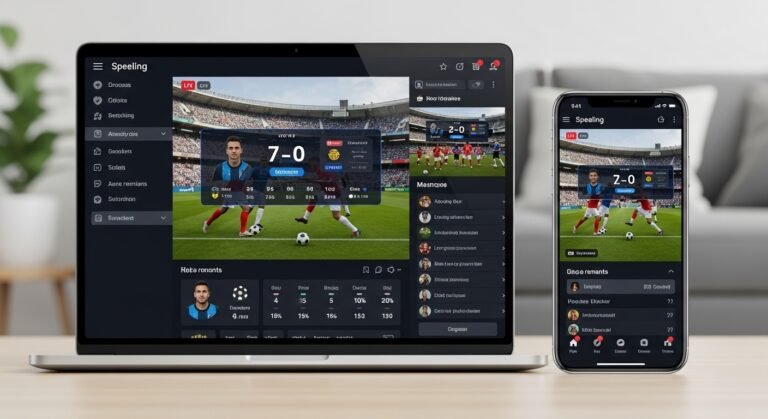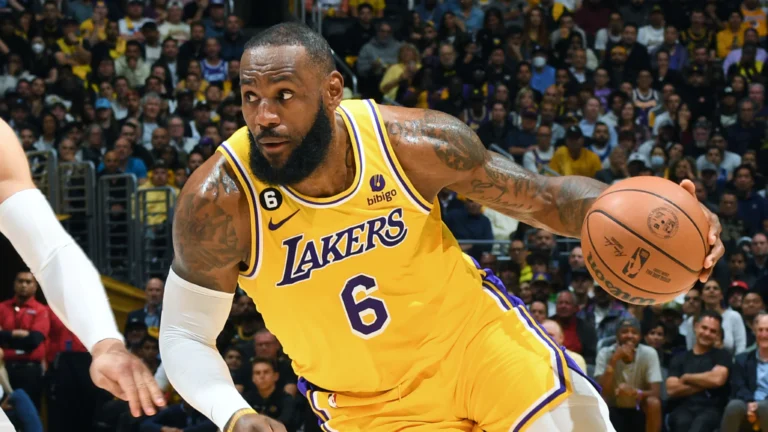
Stream Live Sports Online: Your Complete Guide to NBA, NFL, UFC, Soccer, Boxing, F1, NHL & MLB (2026)
Let’s be honest — paying for an expensive cable bundle just to watch a few games a week feels like a bad deal. You’re locked into contracts, paying for 200 channels you’ll never watch, and still somehow missing the one match that matters most. If that sounds familiar, you’re not alone. Many fans end up searching for alternatives like sport stream, free sports streams, or sites such as crackstreams, streameast, nbabites, and soccerstreams7 just to keep up with the action.
Millions of sports fans have already made the switch to live streaming sports live, using options ranging from free live sports streaming, nba free stream, nba livestream, and nba webcast to free nfl stream, stream east nfl, and even college football streams. Whether it’s catching streameast boxing, browsing f1 streams, watching free mlb streams, or finding a quick ufc live stream or free ufc feed, the demand for flexible viewing has exploded. Fans also explore platforms and variations like streaeast, sreameast, streameast to, streaming east.io, streameasty, streameast ga, streameastr, streamea, and even tools like buff stream, streamgoto, stream easy, and footybite to stay connected.
Whether you’re an NBA fanatic looking for nba free streams, nba stream live, or nba crack stream, a football fan searching for nfl reddit stream, or a global viewer browsing free soccer stream and soccer live stream, there are more choices than ever. Even niche searches like i.streameast, livestream east, streamed, or streamed.ud show just how widespread this shift has become.
In this guide, we’re breaking down everything you need to know to stream live sports online in 2026. From the best platforms for each sport to streameast alternatives, legal options, and tips on avoiding unreliable sources like sportsurg or questionable “top stream” sites, this is the only guide you’ll need to become a confident cord-cutter.
Why Cord-Cutters Are Winning Right Now
A few years ago, cutting the cord felt risky. You worried about missing big games, dealing with buffering, or losing access to local channels. Today, that fear is largely gone. Streaming technology has caught up — and in many ways, it’s surpassed traditional cable.
Every major sports league now has an official streaming strategy. Rights deals have expanded to include streaming-first platforms, which means you can watch virtually any sport live, legally, and in HD from your phone, laptop, tablet, or smart TV.
The financial case is strong too. The average cable bill runs well over $100 a month. A combination of targeted sports streaming services often costs a fraction of that — and you can cancel any time without penalties.
How Live Sports Streaming Actually Works
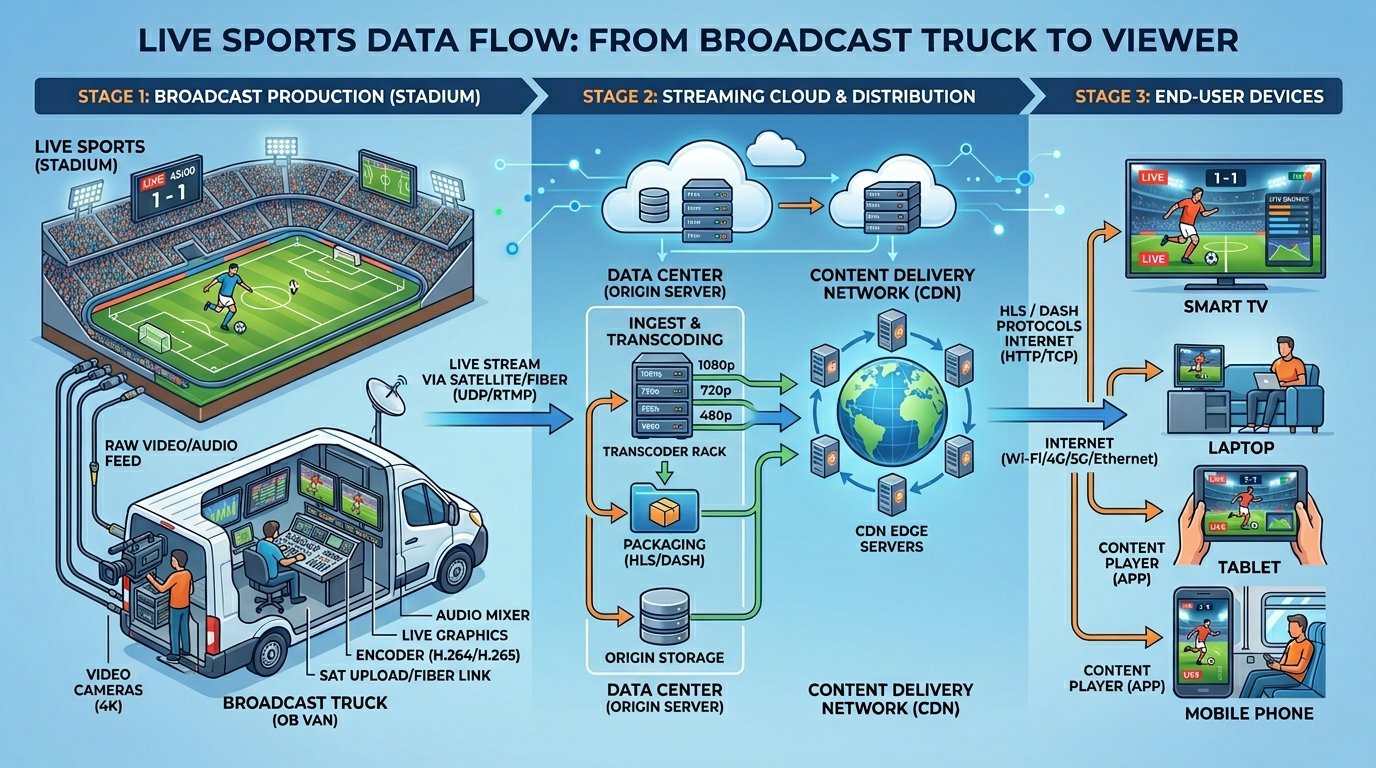
When you stream live sports online, you’re watching a broadcast that has been digitized, compressed, and delivered over the internet in real time. It sounds complicated, but from your end it’s as simple as clicking play.
The key ingredients are a stable internet connection (at least 10 Mbps for HD, 25 Mbps for 4K), a compatible device, and a valid subscription or free account with the streaming provider. Most services also offer a cloud DVR feature so you can record games and watch them later.
One thing to keep in mind: there can be a slight delay (usually 30–60 seconds) between a live TV broadcast and a streaming feed. If you’re on social media during the game, spoilers can happen fast. Some services offer low-latency modes that cut this delay significantly.
The Best Legitimate Platforms to Stream Live Sports
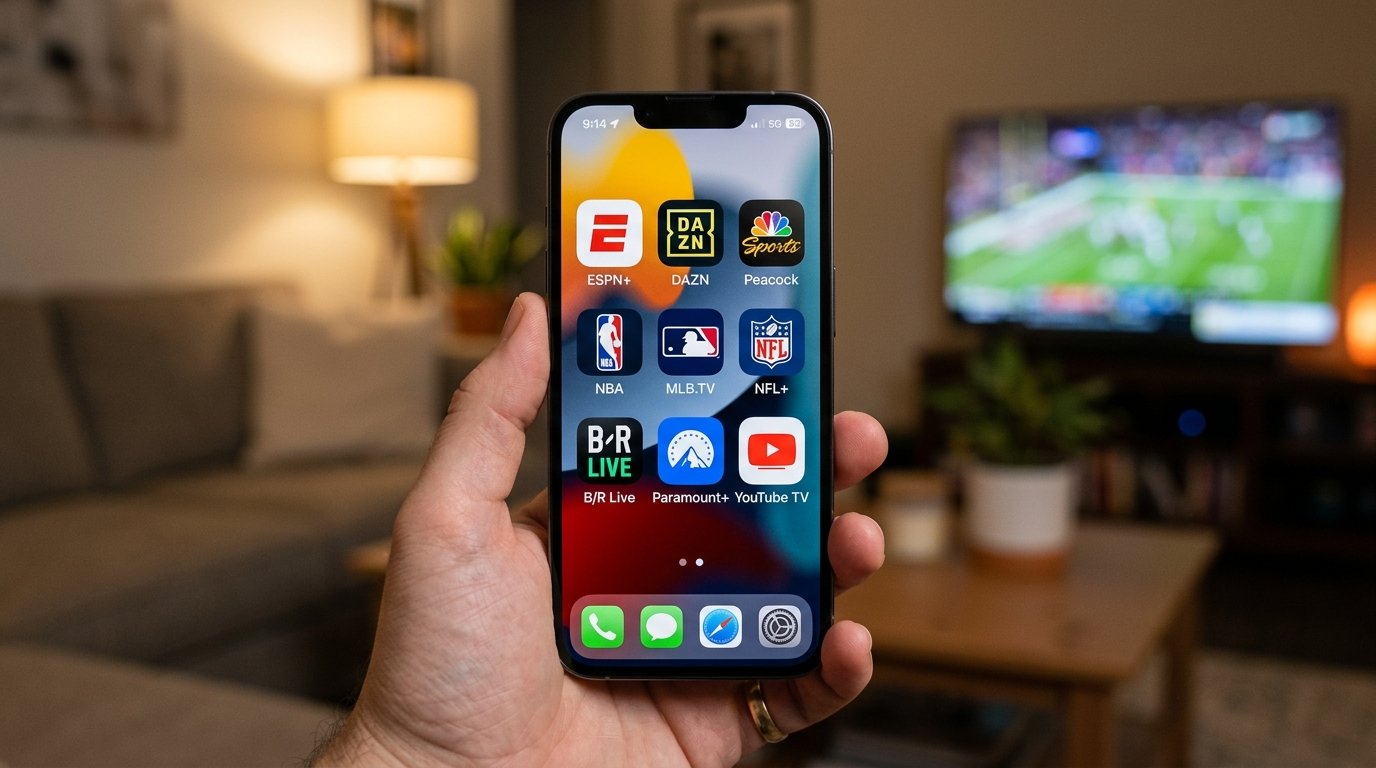
There’s no single platform that covers every sport, every league, and every market. But a handful of major services come very close. Here’s a quick overview of the landscape:
- Live TV streaming bundles — Services that replace cable entirely, offering dozens of channels including ESPN, TNT, and regional sports networks.
- League-specific apps — Official apps from the NBA, NFL, UFC, and others that stream games directly.
- Broadcaster streaming apps — Apps from major TV networks that let you stream live with a cable login or standalone subscription.
- Free ad-supported services — A small but growing selection of legally free streams, often for select games.
The right mix depends entirely on which sports you care about. If you’re a multi-sport household, a live TV bundle is usually the smartest and most cost-effective route. If you only care about one league, a league pass might be all you need.
How to Stream NBA Games Online
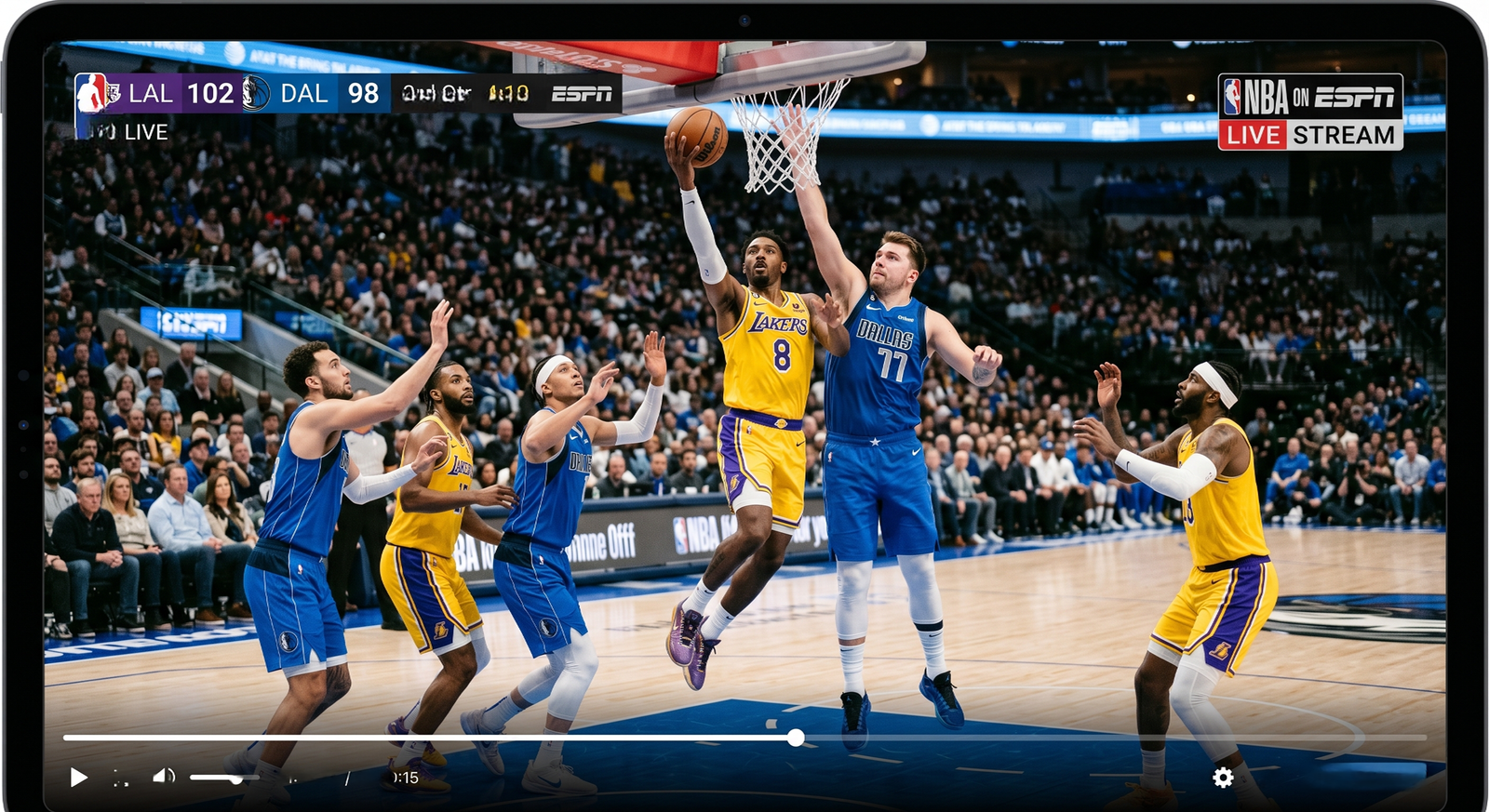
The NBA has one of the most flexible streaming setups in professional sports. The league’s own subscription service gives you access to out-of-market games — meaning games not broadcast in your local area — in full HD. It’s a solid choice if you follow a team that isn’t in your city.
For nationally televised games, you’ll want access to channels like ESPN, TNT, and ABC. All of these are available through major live TV streaming bundles. Many bundles also offer free trials, so you can test the service before committing.
Local games are where it gets trickier. Blackout restrictions still apply for in-market games on the league’s app, so if you want to watch your local team, a live TV bundle with your regional sports network is the better option.
- League app: Best for out-of-market games and replays
- Live TV bundles: Best for nationally televised and local games
- Broadcaster apps (ESPN, TNT): Good for playoff coverage
How to Stream NFL Games Online
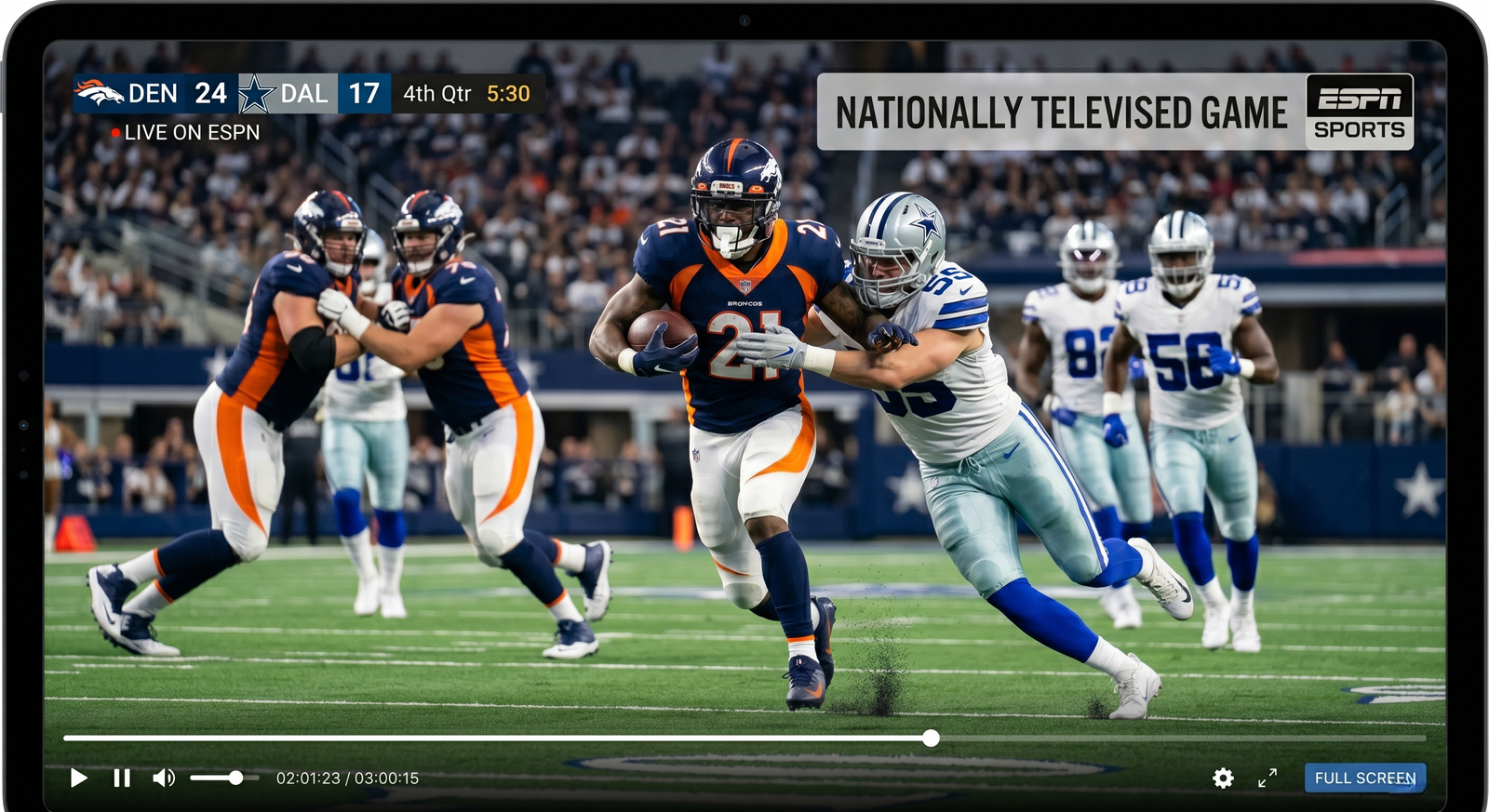
The NFL is the most-watched sports league in the United States, and its streaming options have expanded dramatically. Sunday afternoon games are split between two major broadcasters and are now also available via their official streaming apps — including a free, ad-supported tier for some users with a compatible smart TV.
Sunday night games, Monday night games, and Thursday night games are each on different platforms, and that’s the tricky part. To catch every game, you may need access to two or three services. A comprehensive live TV bundle is often the cleanest solution.
One exciting development: a major streaming platform now holds exclusive rights to some Sunday afternoon games, making it possible to watch certain matchups without any traditional TV subscription at all — just a streaming account you may already have.
- Sunday games: Available via broadcaster streaming apps (some free on smart TVs)
- Thursday Night Football: Exclusively on a major streaming platform
- Sunday Night & Monday Night Football: Requires ESPN/NBC access via bundle
- Out-of-market package: Allows access to all Sunday games (subscription required)
How to Watch UFC Fights Live
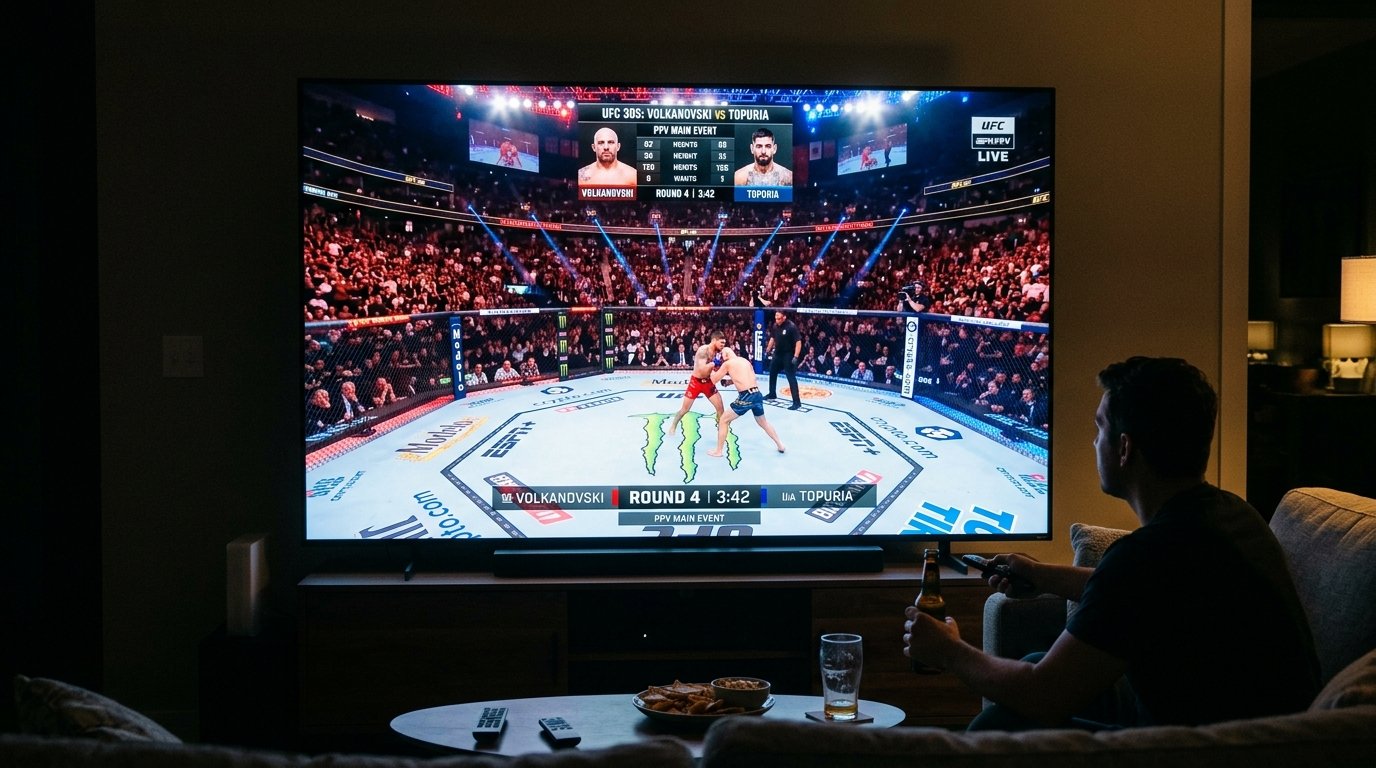
The UFC operates its own streaming service that serves as the home for most UFC content, including weekly Fight Night events, prelim cards, and a massive back-catalog of past fights. A subscription gives you a lot of value if you’re a consistent MMA fan.
Pay-per-view events are a separate purchase on top of that subscription. This is true whether you watch on the UFC’s own platform or through a cable provider, so there’s no real cost advantage to one over the other for PPV. What streaming does offer is flexibility — you can watch on any device, anywhere.
Some fights — particularly early prelims — are broadcast on free platforms or ESPN+, so you don’t always need to pay to see undercard action. Always check the fight card in advance so you know exactly which tier of access you’ll need.
How to Stream Soccer Online (Including Champions League & More)
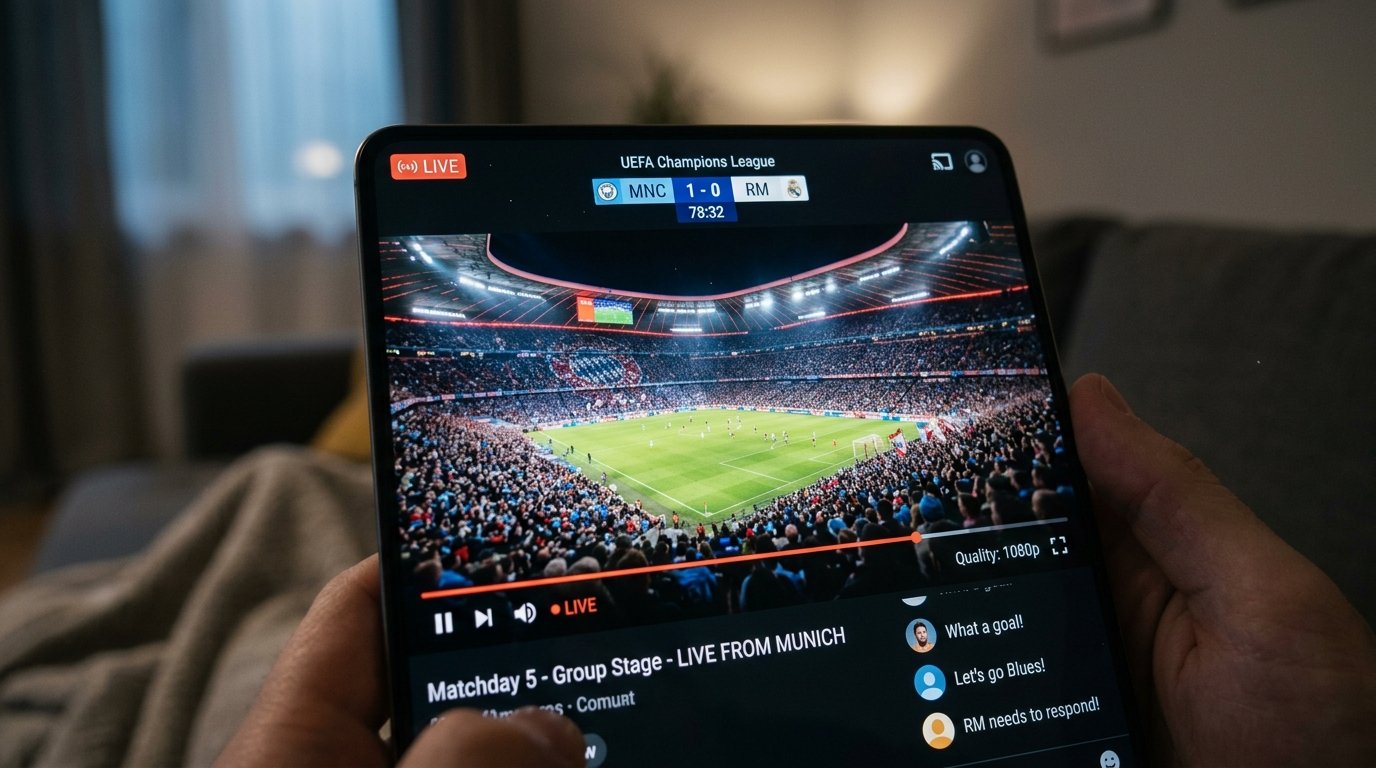
Soccer fans have arguably the best streaming ecosystem of any sport. Rights to different competitions are spread across multiple platforms, which sounds annoying but actually means there’s a lot of competition for your viewership — and that often translates to competitive pricing.
The English Premier League, UEFA Champions League, Serie A, La Liga, Bundesliga, Ligue 1, and MLS are all available through a combination of sports-focused streaming services and live TV bundles. Some platforms bundle multiple leagues together under one subscription, which is great value for hardcore fans.
International football, including World Cup qualifiers and continental tournaments, tends to land on broadcaster apps and live TV bundles. The key is knowing which rights holder carries which competition in your country, as this can vary by region.
- Sports-specific streaming apps: Best for multi-league access
- Live TV bundles: Great for coverage across NBC Sports, CBS Sports, and ESPN
- League-specific apps (e.g., MLS Season Pass): Good for dedicated fans of one league
How to Watch Boxing Live Online
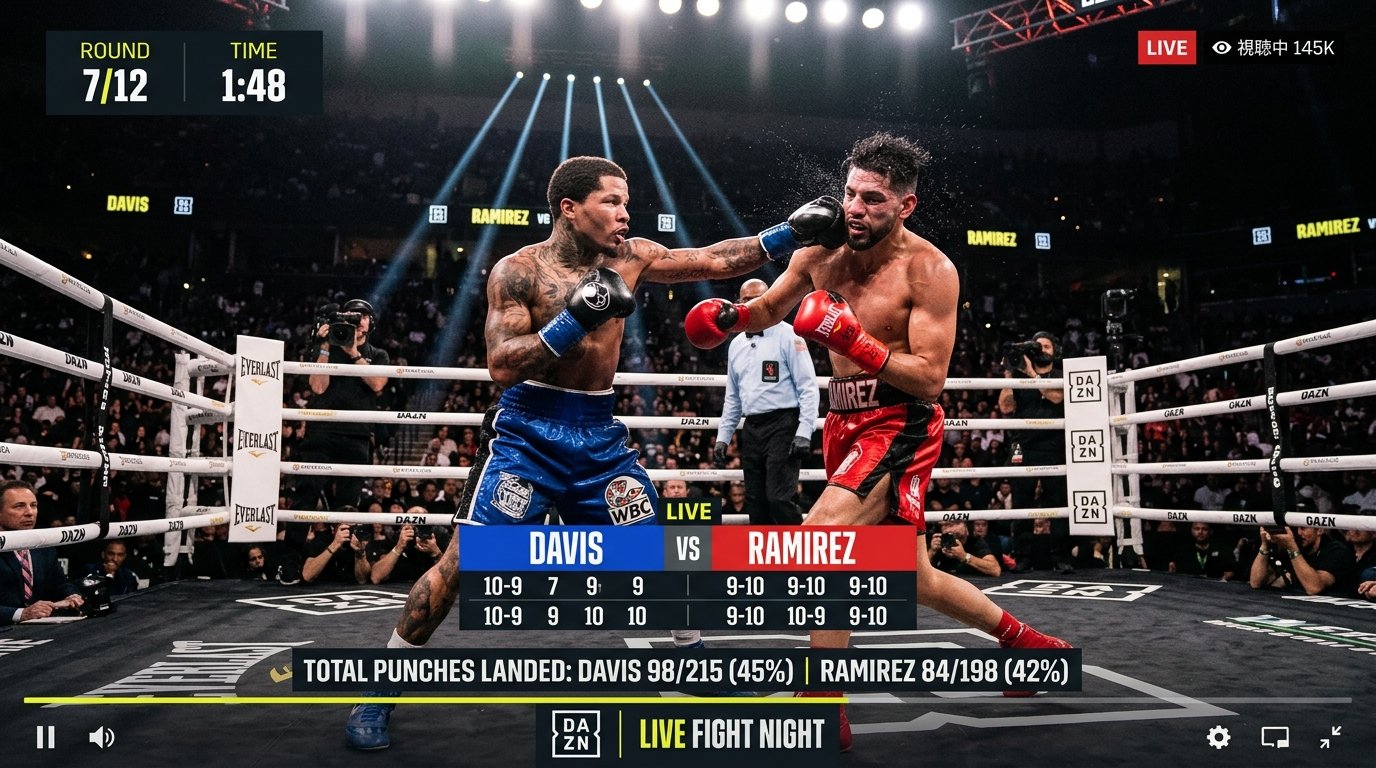
Boxing is distributed across a wider variety of platforms than most sports, partly because big fights are often promoted by different companies with different broadcasting deals. That said, there are a few reliable places to look first.
Major pay-per-view boxing events are typically available through sports streaming services and sometimes through live TV bundles, depending on which broadcaster has the rights. Subscription-based platforms that specialize in combat sports tend to carry a significant volume of non-PPV boxing events throughout the year.
For casual boxing fans, a live TV bundle that includes ESPN or other sports channels will cover the major network fights. Hardcore fans who want every undercard and every regional show will get more value from a dedicated combat sports subscription.
How to Stream F1 Races Live
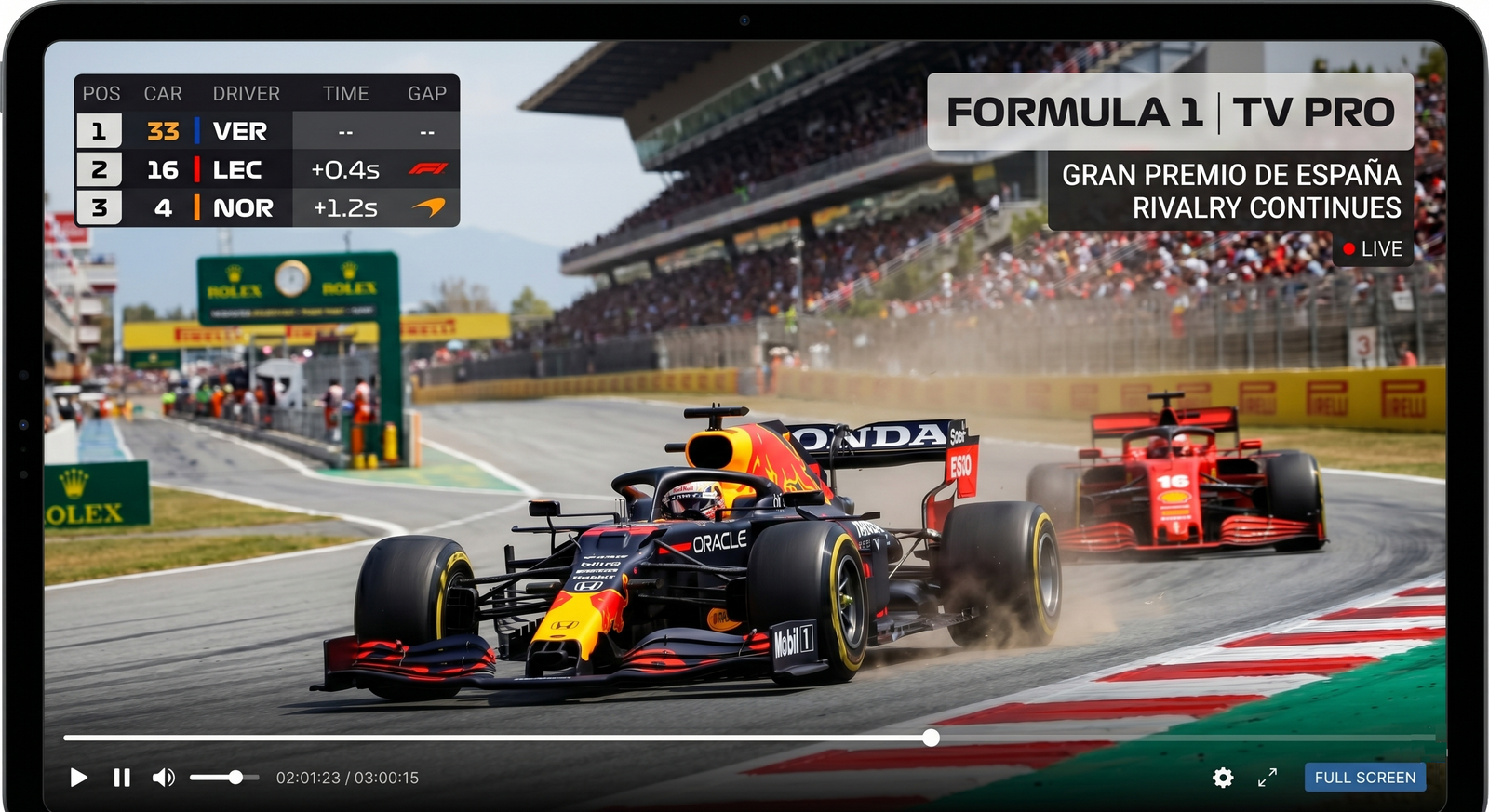
Formula 1 has its own official streaming service that gives subscribers access to every race live, every qualifying session, practice runs, team radio, onboard cameras, and a massive archive of classic races. For F1 fans, it’s an exceptional product that delivers far more than a traditional TV broadcast.
If you already have a live TV bundle with ESPN (which holds US broadcast rights), you can watch F1 there too. Some fans prefer this because it keeps everything in one place. But the dedicated F1 app offers features and camera angles you simply won’t get anywhere else.
Race timing is worth considering — many Grand Prix events happen in European time zones, which means early mornings or very late nights depending on where you live. The F1 app’s replay feature lets you watch a full race broadcast at a more convenient time if you can avoid spoilers.
How to Stream NHL and MLB Games
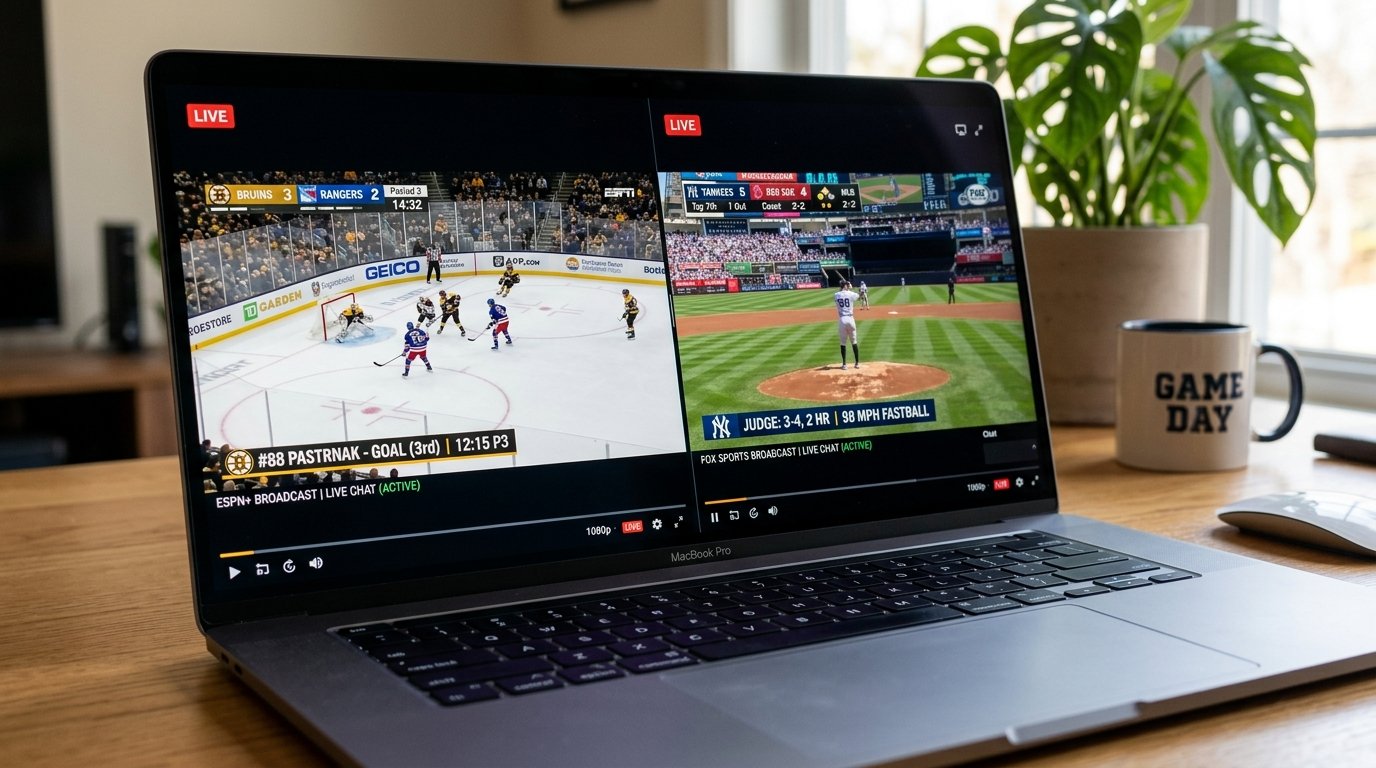
Both the NHL and MLB operate their own streaming services for out-of-market games, similar to the NBA model. If you want to follow a team outside your local market, these league apps are the most direct path. Regional blackout rules still apply, so in-market fans will need a live TV bundle to watch their local team.
The NHL has also made some of its content available on a major streaming platform under a multi-year deal, which is a sign of where sports broadcasting is heading. For MLB, a streaming platform holds exclusive rights to a slate of Friday night games, making it increasingly important for baseball fans to have that subscription.
For the playoffs — which are what most casual fans tune in for — national broadcast channels carry the action, and their streaming apps will let you watch with either a pay TV login or a standalone subscription. Staying flexible here pays off.
Free (and Legal) Ways to Watch Sports Online
Yes, free and legal sports streaming exists — though it’s more limited than paid options. Several broadcasters offer live streams of select games through their apps or websites at no cost, especially for events on over-the-air channels. Some smart TV operating systems have built-in free sports channels that include live content.
Many streaming services offer free trials ranging from a week to a month. If a big event is coming up and you don’t want a long-term commitment, a well-timed trial can cover the games you care about. Just remember to set a reminder to cancel if you don’t want to continue.
Social platforms and official league channels also occasionally stream select events for free — this is more common for international matches or minor league games but it does happen. Following official league accounts is the best way to catch these opportunities when they come up.
- Broadcaster apps: Some offer live games free with ads on smart TVs
- Streaming free trials: Time them around big events
- Official league YouTube channels and social accounts: Occasional free streams
- Over-the-air antenna + DVR: Free local broadcasts in HD
How to Choose the Right Streaming Service for You
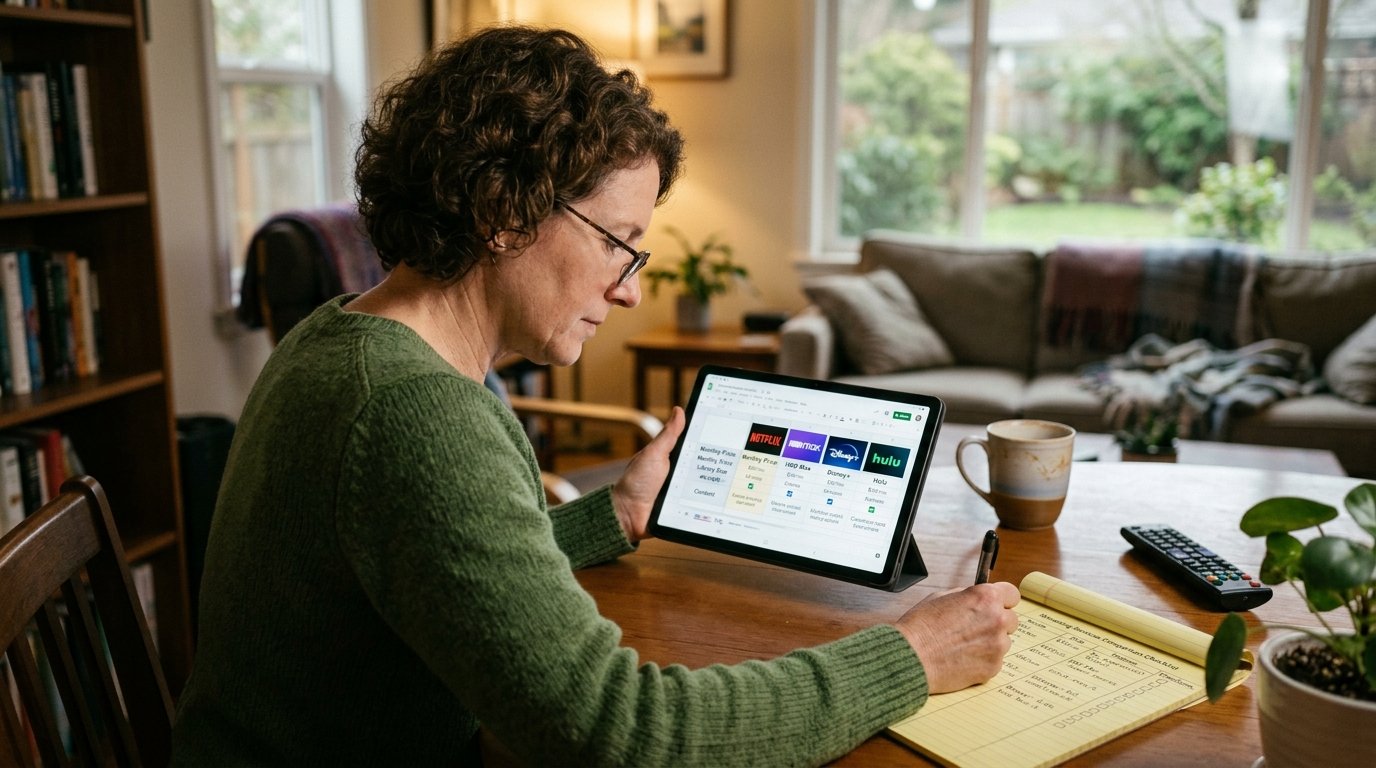
The best streaming setup is the one that matches your actual watching habits — not the one with the most features. Start by listing the sports and teams you actually watch. Then check which platforms carry those specific rights in your region. That alone will narrow things down fast.
Think about how many screens you need and which devices you’ll use. Most services support smart TVs, phones, tablets, laptops, and streaming sticks, but it’s worth confirming before you subscribe. Also check whether the service includes cloud DVR and how many hours of storage it offers.
Finally, consider the total monthly cost. One targeted sports app plus a single live TV bundle covers most fans’ needs for significantly less than cable. Don’t pay for two services that overlap heavily — there’s usually a combination that gives you everything without the duplication.
- List your must-watch sports and teams first
- Check regional rights — availability varies by country
- Compare total monthly cost vs. cable equivalent
- Look for free trials before committing
- Confirm device compatibility (smart TV, phone, tablet, etc.)
Common Mistakes to Avoid

- Subscribing to too many services at once: Start with one or two and add more only if needed. Overlapping subscriptions waste money.
- Forgetting about blackout restrictions: League apps black out local and national games in certain markets. Always read the fine print before assuming you’ll have full access.
- Ignoring internet speed requirements: Streaming HD or 4K sports requires a stable, fast connection. Test your speed before game day — not during it.
- Using unofficial or pirated streams: Beyond the obvious legal risks, unofficial streams are unreliable, often cut out at key moments, and can expose your device to security threats. Stick to legitimate platforms.
- Missing free trial windows for major events: Many services run limited-time trials. Planning around a championship game or a major fight card can save you real money.
Frequently Asked Questions
Q1: Can I really watch live sports online without cable?
Absolutely. Millions of fans do it every day using legitimate streaming platforms, live TV bundles, and official league apps. The selection of streaming services has grown significantly, and most major live sports events — including playoffs, championships, and pay-per-view events — are available through at least one streaming platform. The key is knowing which service holds the rights to the sport you want to watch.
Q2: What internet speed do I need to stream live sports?
For standard HD streaming (720p or 1080p), a consistent speed of at least 10 Mbps is recommended. For 4K HDR streams, you’ll want 25 Mbps or more. If multiple people in your household are streaming or gaming simultaneously, factor that in — a speed of 50–100 Mbps keeps things smooth for everyone. You can test your speed at any time using free tools available through your internet provider.
Q3: Are there any completely free ways to watch live sports legally?
Yes, though options are more limited than paid services. Some broadcaster apps offer free live streams of select games on smart TVs, supported by ads. Over-the-air HD antennas provide free access to local network broadcasts, which include many NFL games, NASCAR events, and other major sports. A handful of streaming services also offer free tiers with limited live sports content. Free trials are another practical option if you want access to a specific event without a long-term commitment.
Q4: Why do some games get blacked out even when I have a subscription?
Blackout policies exist because of the broadcast rights structure in professional sports. When a game is being shown on a local or national TV channel in your area, the league’s streaming app is contractually restricted from streaming it simultaneously in that same market. This protects the broadcaster’s exclusivity deal. The solution is either a live TV bundle that includes the channel airing the blacked-out game, or using an over-the-air antenna for games on free broadcast networks.
Q5: Is it safe to stream sports on my phone or smart TV?
Yes, streaming sports through official, legitimate apps and services is completely safe. These platforms use standard encrypted connections to deliver their streams. The risk comes from unofficial or pirated streaming sites, which can expose your device to malware, phishing attempts, and other security threats. Always download apps from official app stores (like the Apple App Store or Google Play), and subscribe directly through the service’s official website. Stick to known, established platforms and you have nothing to worry about.
Ready to Level Up Your Sports Viewing?
Now that you know how to stream live sports online the right way, you’re fully equipped to ditch the cable bill and never miss a game. Whether it’s NBA playoffs, NFL Sundays, UFC fight nights, or Formula 1 race weekends, a legitimate streaming setup puts all of it at your fingertips.
Enjoyed this guide? You might also love our related post: ‘How to Set Up the Perfect Home Sports Viewing Room on Any Budget’ — packed with practical tips to make every game feel like you have the best seat in the house. Check it out next!