What Is Stream East? How to Watch Live Sports Online (2026 Guide)
If you love sports, you know that sinking feeling — the game is on, your subscription just renewed for the third service you barely use, and you still can not find the one channel carrying tonight’s match. You scroll, you search, you miss the first quarter. Sound familiar? You are definitely not alone.
Stream East has been popping up in sports fan conversations everywhere lately. People are talking about it in forums, social media threads, and group chats — and if you have been wondering what it actually is and whether it is worth your time, this guide is for you. We break down everything clearly, honestly, and practically.
By the end of this article, you will understand what Stream East is, how online sports streaming works in general, what your legal and safe options are, and how to watch live sports without overpaying or pulling your hair out. Let’s get into it.
What Is Stream East?
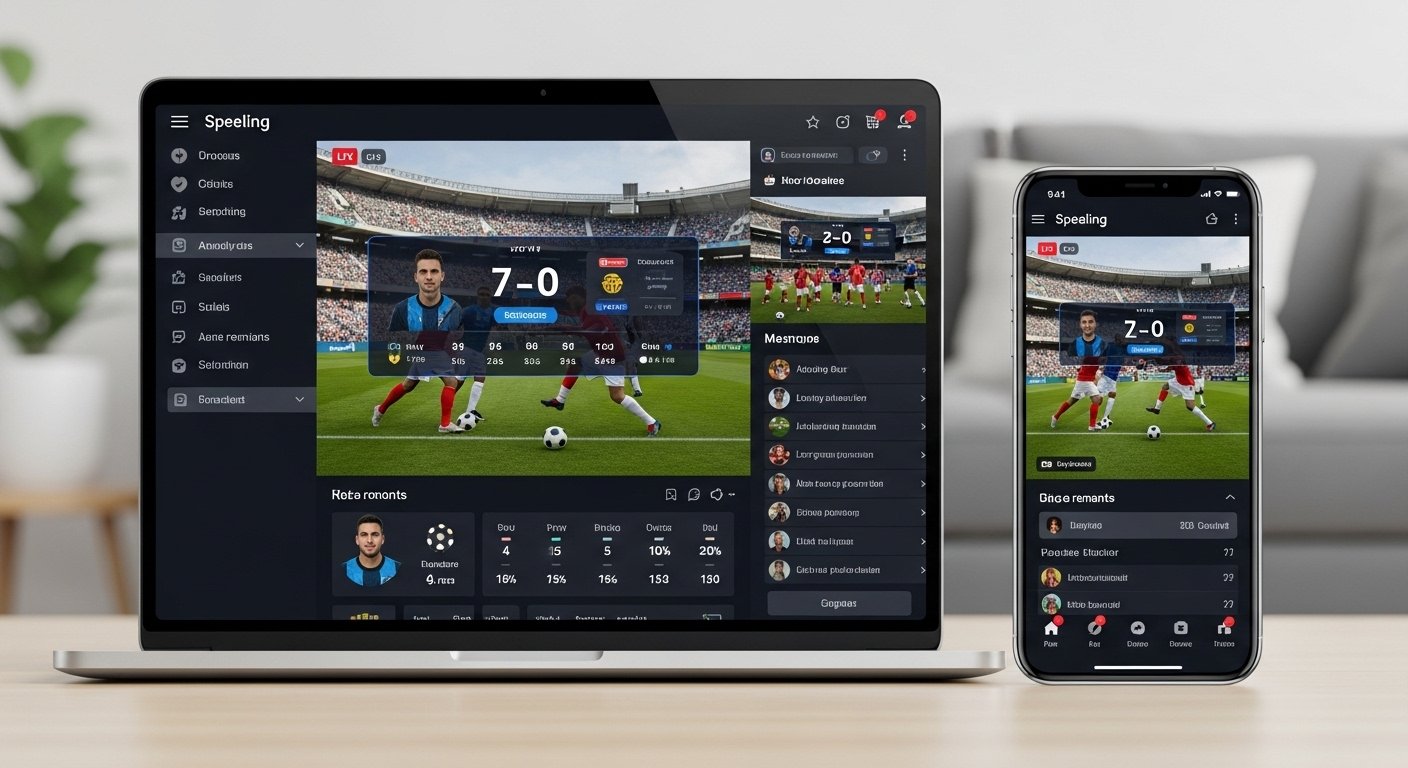
Stream East is a website that has gained attention among sports fans as a place to find links to live sports streams online. It aggregates links to broadcasts of popular sports events — things like football, basketball, soccer, baseball, MMA, and more — and presents them in one place for viewers to access.
The site itself typically does not host any video content. Instead, it acts more like a directory, pointing users toward third-party streams that may be hosted elsewhere. This is an important distinction, because it affects how the site operates and what risks might be involved for users.
Stream East has attracted a large following because it covers a wide range of sports and is relatively easy to navigate. Many fans discover it when searching for free ways to watch games that are locked behind expensive pay-per-view events or regional blackouts.
It is worth knowing upfront that the site has gone through multiple domain changes over the years. You may have seen variations like StreamEast.live, StreamEast.io, or similar addresses. This pattern of switching domains is common among sites that operate in a legal grey area or face takedowns.
Is Stream East Legal and Safe?

This is the big question, and you deserve a clear answer. Stream East, and sites like it, typically link to unauthorized streams of copyrighted sports broadcasts. Sports leagues and broadcasters pay enormous amounts for exclusive rights to air games, and unauthorized streaming of those events is generally considered a violation of copyright law in most countries.
From a legal standpoint, accessing unauthorized streams exists in a grey area that varies by country. In some places, watching a stream (as opposed to hosting or distributing one) may not be directly illegal for the viewer. However, in many regions, knowingly accessing pirated content can carry legal risk. This is not legal advice — if you have specific concerns, it is always worth checking the rules in your own country.
From a safety perspective, sites like Stream East carry real technical risks. Because they are not regulated platforms, they often display aggressive pop-up ads, redirect links, and in some cases may expose your device to malware or data-tracking scripts. Using a reliable ad blocker and keeping your security software updated can reduce these risks somewhat, but no unregulated streaming site is ever truly risk-free.
The simplest and safest path is always to use legitimate, licensed streaming services. They protect your device, your data, and your peace of mind — and many are more affordable than you might expect.
Why Do People Use Sites Like Stream East?

Let’s be real: people do not seek out unofficial streaming sites because they enjoy risk. They do it because accessing sports legally has become genuinely complicated and expensive. Sports broadcasting rights are scattered across dozens of platforms, and fans who want to follow multiple leagues or sports often face the choice of paying for five or six different subscriptions simultaneously.
Blackout restrictions are another major driver. Even if you pay for a legitimate streaming service, regional blackout rules can prevent you from watching your local team’s games online. This frustrates fans deeply, especially when they are already paying subscribers.
International viewers face an entirely different level of difficulty. If you live outside the country where a league is based, watching games legally can be extremely limited or prohibitively expensive. This pushes many international fans toward unofficial alternatives.
Understanding why these sites exist helps explain the demand without endorsing them. The sports broadcasting industry has created real pain points, and fan frustration is legitimate. The good news is that legal options have improved significantly in 2026, and we cover them in detail below.
How Live Sports Streaming Actually Works
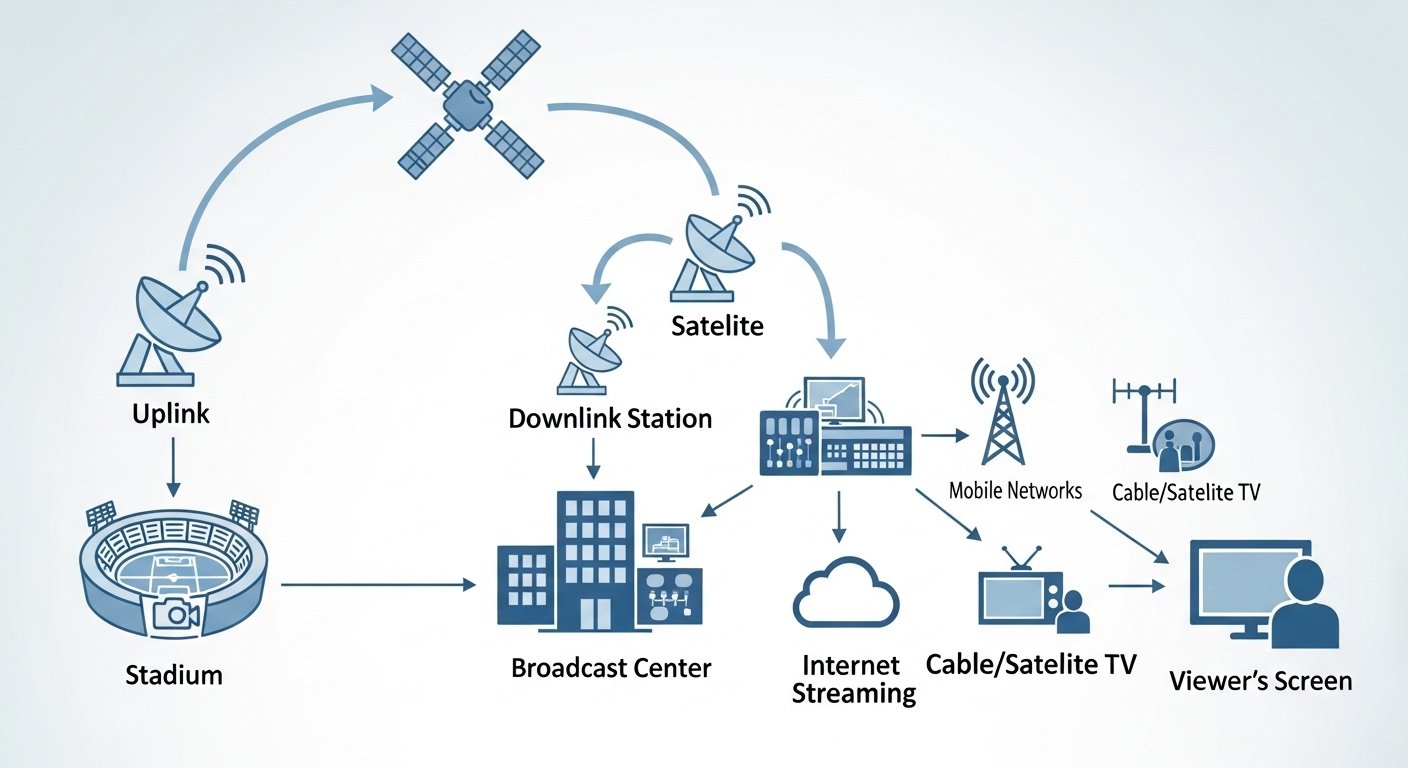
When you watch a game through any streaming service — legal or otherwise — a fairly complex chain of technology is happening behind the scenes. The broadcast starts at the venue, gets picked up by cameras, encoded into a digital signal, and transmitted over satellite or fiber networks to a broadcaster.
Licensed streaming platforms receive that signal and re-encode it into formats suitable for internet delivery. They use content delivery networks (CDNs) to distribute the stream to viewers around the world with as little delay as possible. This infrastructure is expensive, which is a big part of why legitimate streaming costs money.
Unofficial sites like Stream East do not have their own broadcasting rights or infrastructure. Instead, they typically find streams that have been captured and re-broadcast without authorization from other sources. These streams can vary wildly in quality and reliability — buffers, crashes, and sudden shutdowns are common.
Understanding this helps set realistic expectations. When you use a licensed service, you are paying for reliable, high-quality delivery. When you use unofficial options, the experience is unpredictable and comes with trade-offs.
Best Legal Platforms to Watch Live Sports Online
The legal sports streaming landscape has genuinely improved. In 2026, you have more options than ever to watch live sports without cable, and at a range of price points.
Sports-Specific Streaming Services: Many major sports leagues now offer their own direct-to-consumer streaming services. The NFL, NBA, NHL, MLB, and major soccer leagues all have official apps and subscription packages that let you stream games directly.
Cable Replacement Services: Platforms like YouTube TV, Hulu with Live TV, FuboTV, DirecTV Stream, and Sling TV offer live TV packages that include sports channels — often at a fraction of the cost of a traditional cable bundle.
Broadcast Network Apps: Some games air on free broadcast networks and their apps, meaning you can watch them at no additional cost beyond your internet connection. ABC, NBC, CBS, and Fox all have apps with live streaming features.
Before subscribing to anything, check which specific games and leagues are covered in your region. Use free trial periods to test a service before committing. Rotating subscriptions during your preferred sport’s season is a smart strategy for managing costs.
How to Watch Sports Without Cable
Cutting the cord does not mean cutting out sports. Millions of fans have made the switch to cable-free sports viewing, and the experience has only gotten better. Here is a practical approach to building your own setup.
Start by making a list of every sport and league you actually care about. Then research which streaming platforms carry those events in your specific region. This step alone saves you from subscribing to services you will barely use.
- A reliable internet connection of at least 25 Mbps for HD streaming
- A smart TV, streaming stick, or gaming console that supports your chosen apps
- One or two core streaming subscriptions based on your viewing priorities
- An antenna for free over-the-air broadcast games (surprisingly good option)
An HDTV antenna is one of the most underrated tools for sports fans. Many playoff games and major events air on free broadcast networks. A one-time antenna purchase of under thirty dollars can give you free access to those games for years.
Free and Low-Cost Sports Streaming Options

Not every sports streaming option requires a significant monthly investment. There are genuinely free and affordable legal paths worth exploring before turning to unofficial sites.
Pluto TV: This free, ad-supported platform includes sports channels and some live sports content. It is completely legal and costs nothing.
Peacock Free Tier: NBC’s Peacock offers a free ad-supported tier that occasionally includes live sports, particularly for events airing on NBC or affiliated channels.
ESPN on ABC Simulcasts: Some major sporting events are simulcast on both ESPN and ABC, meaning you can watch them through the free ABC app without an ESPN subscription.
Library and Community Access: Some public libraries offer free access to sports streaming services through their digital membership programs — worth checking your local library’s offerings.
Free trials are your best friend when exploring platforms. Most major services offer one to seven day free trials for new subscribers. If you plan strategically around a major sporting event, you can often watch an entire playoff series legally and free during a trial period.
How to Get Better Streaming Quality

Whether you are using a paid platform or any streaming source, video quality comes down to a few key factors. Getting these right makes a huge difference in your viewing experience.
- Internet speed: Aim for at least 25 Mbps for HD and 50+ Mbps for 4K
- Wired connection: Ethernet is far more stable than Wi-Fi for live sports
- Close other apps and devices competing for bandwidth during the game
- Restart your router before a big game for a fresh, clean connection
- Check your streaming app’s quality settings and set it to the highest available
If you are frequently experiencing buffering on legitimate platforms, the issue is often your home network rather than the service itself. Most modern routers have a quality-of-service (QoS) setting that lets you prioritize streaming traffic — this is worth exploring if your household shares bandwidth.
For the most important games, consider moving your streaming device closer to your router, or investing in a powerline ethernet adapter to run a wired connection across your home without pulling cables through walls.
VPNs and Sports Streaming — What You Need to Know
You have probably seen VPN advertisements featuring sports fans accessing games from anywhere in the world. The reality is a bit more nuanced, and it is worth understanding before you subscribe to a VPN expecting it to solve all your streaming woes.
A VPN (Virtual Private Network) routes your internet traffic through a server in another location, making it appear as though you are browsing from that country. This can sometimes allow access to sports content that is available in other regions but geo-blocked in yours.
However, most major streaming platforms actively detect and block VPN traffic. Services like Netflix, ESPN+, and others invest in technology to identify VPN connections and prevent users from bypassing their regional licensing restrictions. This is a constant technological back-and-forth, and results vary significantly by service and VPN provider.
The more legitimate use of a VPN while streaming is privacy and security protection — particularly if you are connecting through public Wi-Fi at a bar or sports venue. A VPN encrypts your connection and protects your data from potential snooping on open networks.
Watching Sports on Mobile Devices
Your smartphone and tablet have become genuinely capable sports viewing devices. Most major streaming services offer polished mobile apps that deliver HD video with minimal buffering on a solid connection.
Mobile-specific tips that make a real difference:
- Download the official app from your phone’s app store rather than visiting websites in a mobile browser
- Enable background data settings so streams do not cut out when you switch apps
- Connect to Wi-Fi whenever possible — mobile data charges can add up quickly during long games
- Use Do Not Disturb mode to prevent calls and notifications from interrupting your stream
If you plan to watch away from home frequently, check whether your streaming service of choice offers a mobile data optimization setting. These settings reduce video quality slightly but can prevent you from blowing through your monthly data allowance on a single playoff game.
Casting from your phone to a TV using Chromecast, AirPlay, or similar technology is also a great way to enjoy mobile-first apps on a larger screen when you are at home.
International Sports Streaming — What to Expect

For sports fans living outside their home country, or those trying to follow leagues from other parts of the world, streaming access can feel like navigating a maze. Rights deals vary enormously by region, and what is freely available in one country may be completely locked out in another.
The first step is to research which broadcasters hold the rights to your preferred sport or league in your country of residence. This has become easier over time, as leagues often maintain official pages listing their broadcast partners by region.
Some leagues have made significant strides in international accessibility. The English Premier League, for example, has official broadcast partners in virtually every country on Earth. The NFL’s Game Pass International product was specifically designed for international fans. Researching the official options specific to your region almost always turns up better results than people expect.
International viewers should also be aware that time zone differences are part of the experience. Depending on where you live and which leagues you follow, you may be watching games at unusual hours. Some services offer replay options that let you watch completed games in a time-shifted format if you cannot catch the live broadcast.
Budget-Friendly Tips for Sports Fans

Watching sports does not have to cost a fortune. With some planning and a bit of strategy, you can follow your favorite teams and events without an eye-watering monthly bill.
- Rotate subscriptions: Subscribe to a service during your sport’s season, then cancel when it ends
- Share family plans where the service allows account sharing under its terms
- Bundle deals: Some internet and streaming providers offer discounts when bundled together
- Watch parties: Split the cost of a premium viewing experience with friends
- Student and military discounts: Many services offer significant discounts — always check
- Annual billing: Paying yearly instead of monthly typically saves 15 to 20 percent
It also helps to be honest with yourself about how much sports content you actually watch. Many fans subscribe to multiple services for fear of missing out, but end up watching just one or two leagues seriously. Trimming your subscriptions to match your real viewing habits is often the single biggest money-saving move.
Following sports for free using highlight packages, radio broadcasts, and box score updates is also a perfectly valid way to stay connected to the game without paying for every live stream — especially for casual fans who are not glued to every minute of every match.
Common Mistakes to Avoid
Even well-intentioned sports fans make avoidable mistakes when setting up their streaming situation. Here are the most common ones:
- Signing up for too many services at once: Start with one, evaluate it, then expand if needed
- Ignoring free trials: Most services offer them — use them strategically around big events
- Streaming on weak Wi-Fi: Always test your connection before a big game
- Forgetting to cancel: Set a calendar reminder when signing up for any trial or subscription
- Not checking regional availability: Always confirm a service covers your sport in your region before subscribing
- Using unofficial streams without security protection: If you choose to visit unofficial sites, always use an updated browser and active security software
- Overlooking broadcast network apps: Free options like ABC, NBC, and CBS apps are often forgotten but carry major sporting events
Frequently Asked Questions
Q1: What exactly is Stream East and how does it work?
Stream East is a website that collects and displays links to live sports streams from third-party sources around the internet. It does not typically host the video content itself — instead, it acts as an aggregator that points visitors toward streams being hosted elsewhere. The site covers a broad range of sports, which has made it popular among fans looking for free viewing options. Because it links to unauthorized streams, it operates in a legally problematic area and carries safety risks for visitors.
Q2: Is it safe to use Stream East and similar sites?
Using sites like Stream East carries real risks that go beyond just legal questions. These sites are often loaded with aggressive advertising, pop-up windows, and redirect links that can expose your device to malware, spyware, or phishing attempts. Because they are unregulated, there is no quality control over the third-party content they link to. If you do choose to visit such sites, using an updated browser, an active ad blocker, and reliable security software reduces — but does not eliminate — those risks. The safest option remains using licensed, regulated streaming services.
Q3: What are the best legal alternatives for watching live sports online?
There are excellent legal options in 2026 for nearly every sport and budget. Cable replacement services like YouTube TV, FuboTV, Hulu with Live TV, and Sling TV offer broad sports coverage at monthly price points that are much lower than traditional cable. Individual league apps and streaming products (such as league-specific game passes) give you direct access to your preferred sport. Free options include Pluto TV, Peacock’s free tier, and free broadcast network apps. An HDTV antenna is also a forgotten gem for catching games on free broadcast networks.
Q4: Can a VPN help me watch sports that are blocked in my region?
A VPN can sometimes help access sports content that is geo-restricted in your region by making your connection appear to originate from a different country. However, most major streaming platforms actively detect VPN usage and will block access when identified, so results are inconsistent and may change at any time as platforms update their detection technology. The more reliable use of a VPN for sports fans is protecting your privacy and security when streaming on public networks like those in bars, airports, or sports venues. If you are specifically trying to access content available in another country, researching which services operate in your target region and whether they accept international subscribers is often a more reliable approach than a VPN.
Q5: How do I watch live sports without a cable subscription?
Watching live sports without cable is very achievable in 2026. Start by identifying the specific sports and leagues you want to follow, then research which streaming services carry those events in your region. Cable replacement services offer the closest experience to traditional live TV. For cord-cutters on a tighter budget, combining a streaming service with an HDTV antenna gives you access to both subscription and free broadcast content. Many people successfully build a complete sports viewing setup for well under fifty dollars per month by being selective about which services they subscribe to and rotating subscriptions based on which sports are in season.
Conclusion
Stream East and similar sites exist because accessing live sports has genuinely become complicated and expensive. Understanding what these sites are, how they operate, and what risks they carry helps you make informed decisions about how you watch the sports you love. The good news is that the legal alternatives in 2026 are better, more affordable, and more accessible than they have ever been.
You do not need to compromise on safety or legality to be a well-connected sports fan. With the right combination of streaming services, a solid internet setup, and a little strategic thinking about subscriptions, you can watch virtually any sport from anywhere — without the headaches that come with unofficial streaming sites. Check out our related guide on the best legal sports streaming services to help you choose the perfect setup for your situation.